

Last updated on 14th February 2026
Many businesses pour time, energy, and resources into creating a website that looks professional and feels engaging to visitors. But while a well-designed website is essential, it’s only one part of the equation. To make your website truly effective, you need to drive people to it.
Even the most impressive site won’t achieve its goals without active steps to attract visitors. Here’s why that matters and some of the most effective strategies to make sure your site sees the traffic it deserves.
The reality: a great website alone won’t guarantee traffic
Think of your website as a beautifully designed shop in a quiet back street. It may be filled with high-quality products and have an appealing storefront, but if no one knows it’s there, it won’t get customers. The same goes for your website. You need a proactive strategy to bring people in.
“While search engines can help, they don’t automatically deliver visitors to a new website.”
In the digital world, where there are billions of websites, it’s rare for visitors to stumble upon a new site organically, especially when they don’t yet know your brand. While search engines can help, they don’t automatically deliver visitors to a new website. The search engine algorithms are selective about what they show on page one, which means competing for visibility requires more than just having a good-looking website.
Why traffic-driving strategies matter
Driving traffic to your website has several key benefits:
- Boosting Visibility and Reach: The more people who visit your site, the more awareness there is of your brand. Driving traffic ensures you’re reaching potential customers who wouldn’t otherwise know about your products or services.
- Creating Opportunities for Conversion: Every visitor to your website is a potential customer. With the right strategies in place to attract targeted traffic, you’re creating opportunities for conversions—whether that’s signing up for a newsletter, making a purchase, or booking a consultation.
- Data for Optimisation: Regular traffic allows you to see how visitors engage with your website. With tools like Google Analytics, you can track metrics to understand user behaviour, identify popular content, and find ways to improve user experience and conversion rates.
Key strategies to drive traffic to your website
1. Search Engine Optimisation (SEO)
SEO is a key method for improving your site’s visibility on search engines. By optimising your content and ensuring your website follows SEO best practices, you increase your chances of appearing on the first page of search results.
- Keyword Research: Identifying and targeting keywords that potential customers are searching for helps bring in relevant traffic.
- Quality Content: Content that’s informative, valuable, and well-optimised for search engines can attract organic traffic. Consider creating blog posts, how-to guides, and case studies that answer questions or solve problems for your audience.
- Technical Optimisation: Making sure your website loads quickly, is mobile-friendly, and is free from technical issues can improve search rankings and attract more visitors.
2. Content Marketing
Content marketing goes hand-in-hand with SEO, helping you attract traffic through valuable and shareable content. Regularly updated content, such as blog posts, infographics, videos, and e-books, can capture your audience’s attention and bring visitors back to your site.
- Educational Content: Focus on content that’s informative and relevant to your audience. For example, articles or videos that provide insights related to your industry can position your brand as a trusted resource.
- Social Media Sharing: Promote your content on social media channels to reach a wider audience and drive traffic back to your site.
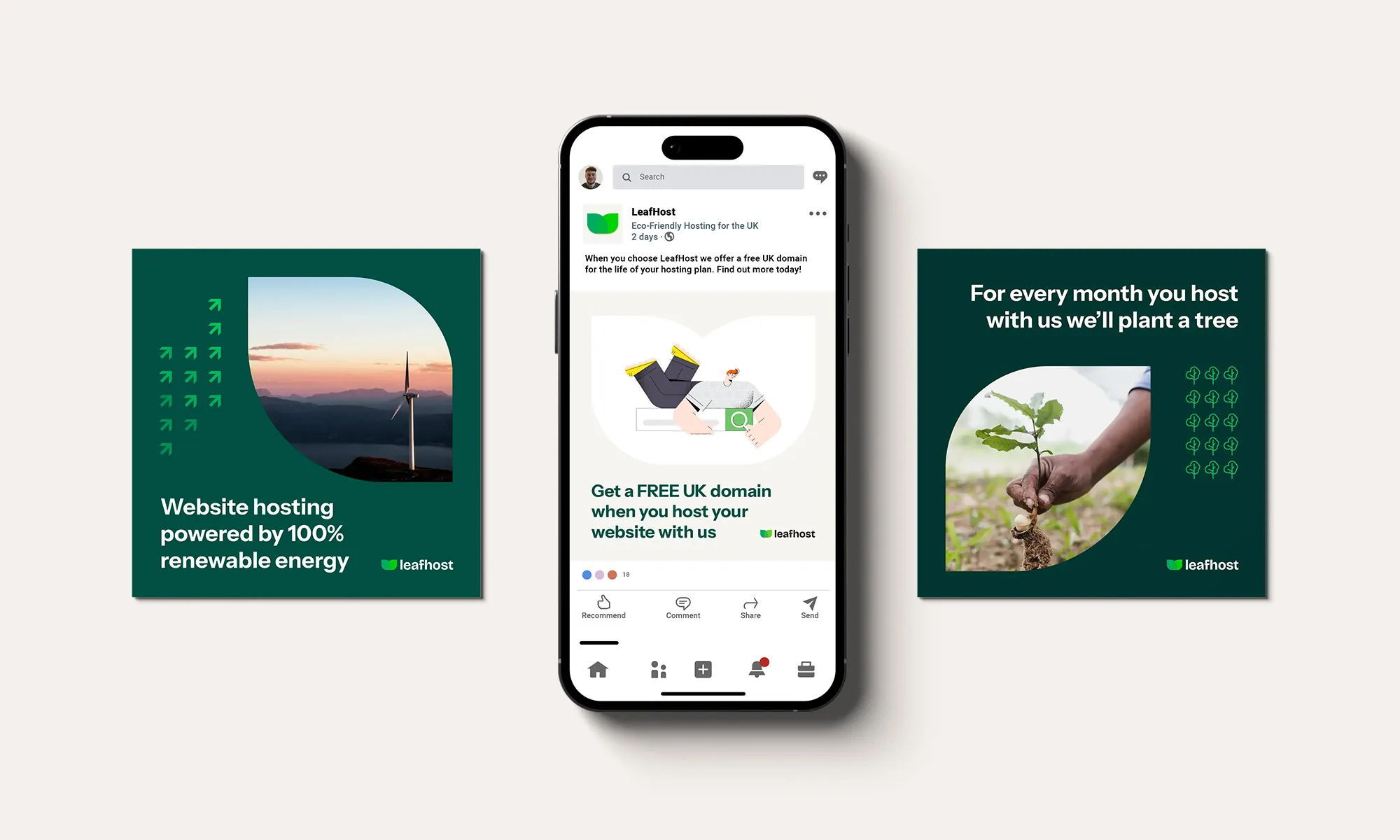
3. Social Media Marketing
Social media is a powerful tool for reaching audiences and bringing them to your site. Platforms like Facebook, Instagram, Twitter, and LinkedIn allow you to connect with potential customers and share content that links back to your website.
- Engagement: Create posts that encourage engagement, such as polls, questions, or contests. This increases visibility and can help bring in more followers who may click through to your website.
- Targeted Ads: Social media platforms allow highly targeted ads. For example, you can direct ads to specific age groups, locations, or people interested in your industry, all of whom are more likely to be interested in visiting your website.
4. Email Marketing
Email marketing is one of the most effective ways to bring existing customers or interested leads back to your website. By regularly engaging with your audience through emails, you can drive them to your site and encourage repeat visits.
- Newsletters: Send out regular updates with links to new content, special offers, or product launches on your website.
- Personalisation: Use personalised email content to make each recipient feel valued and directly linked to your site’s offerings.
5. Paid Advertising (PPC)
If you want immediate results, paid advertising can drive traffic quickly. Platforms like Google Ads and Bing Ads allow you to target specific keywords, meaning you can direct ads to people searching for products or services like yours.
- PPC Campaigns: Pay-per-click ads appear at the top of search results, offering immediate visibility to people who may not yet be familiar with your brand.
- Retargeting Ads: Retargeting allows you to show ads to users who have previously visited your site, reminding them of your brand and encouraging them to return.
Measuring success: monitor and adjust
Driving traffic to your website isn’t a one-off effort. To make sure your strategy is working, track your results and make adjustments where needed.
- Use Analytics: Google Analytics, for example, lets you track how much traffic you’re receiving, where it’s coming from, and what visitors are doing on your site. You can see which traffic-driving strategies are working and which ones may need tweaking.
- Regular Review: Trends and algorithms change, as do audience interests. Make it a habit to review and refresh your traffic-driving strategies periodically to keep traffic steady and relevant.
The bottom line: a website needs traffic to reach its full potential
A beautifully designed website is essential, but it needs an active strategy to get noticed. By investing in a range of traffic-driving strategies—from SEO and content marketing to social media and email—you’re ensuring your website reaches its full potential.
Bringing people to your website, where you can share what makes your brand unique and valuable, ultimately increases your chances of converting visitors into loyal customers. Embrace a proactive approach, drive the traffic, and let your website be the powerful business tool it’s meant to be.