
Last updated on 14th February 2026
In an increasingly digital world, a website is far more than just a digital brochure—it’s a 24/7 sales tool, a brand ambassador, and often the first impression you make on potential customers.
For many businesses, investing in a well-designed, user-friendly website is one of the smartest, most effective ways to drive growth, build brand credibility, and boost sales. Here’s why a quality website is indispensable for your business and the ROI you can expect.
1. A website is your 24/7 sales tool
Unlike a physical location or a sales team that clocks out at the end of the day, your website is accessible to customers around the clock. This constant availability means potential customers can learn about your products and services, reach out with enquiries, or even make purchases at any time, whether it’s midday or midnight.
A well-optimised website can guide these visitors down the sales funnel with effective design, content, and calls-to-action (CTAs), effectively turning your site into a sales machine that never sleeps.
“75% of consumers admit that they judge a business’s credibility based on the website’s design alone”
2. The power of a strong first impression
Your website is frequently the first point of contact between your business and potential clients. Studies indicate that it only takes about 50 milliseconds (0.05 seconds) for users to form an opinion about your website, which will then determine whether they stay or leave. In fact, 75% of consumers admit that they judge a business’s credibility based on the website’s design alone.[1]
A professionally designed, visually appealing, and easy-to-navigate website signals trustworthiness and reliability. This first impression is crucial in establishing trust, which is a key driver in conversion rates. In a competitive market, making a strong first impression with your website can be the difference between a potential lead and a lost opportunity.
3. Higher ROI compared to other marketing channels
An investment in your website can yield substantial returns, often outpacing other forms of marketing. For instance, a well-optimised website can dramatically reduce your dependence on costly paid ads, as SEO-optimised pages draw in free, organic traffic over time. This, combined with high-quality content and a focus on user experience, can lead to conversions at a fraction of the cost of traditional advertising.
Research backs this up: A study from Forrester found that businesses with a superior user experience on their websites can see conversion rates up to 400% higher than those with poorer user experiences.[2] The statistics show that a well-structured website doesn’t just attract users—it converts them, offering a clear path to a stronger return on investment.
4. A professional website builds brand credibility and trust
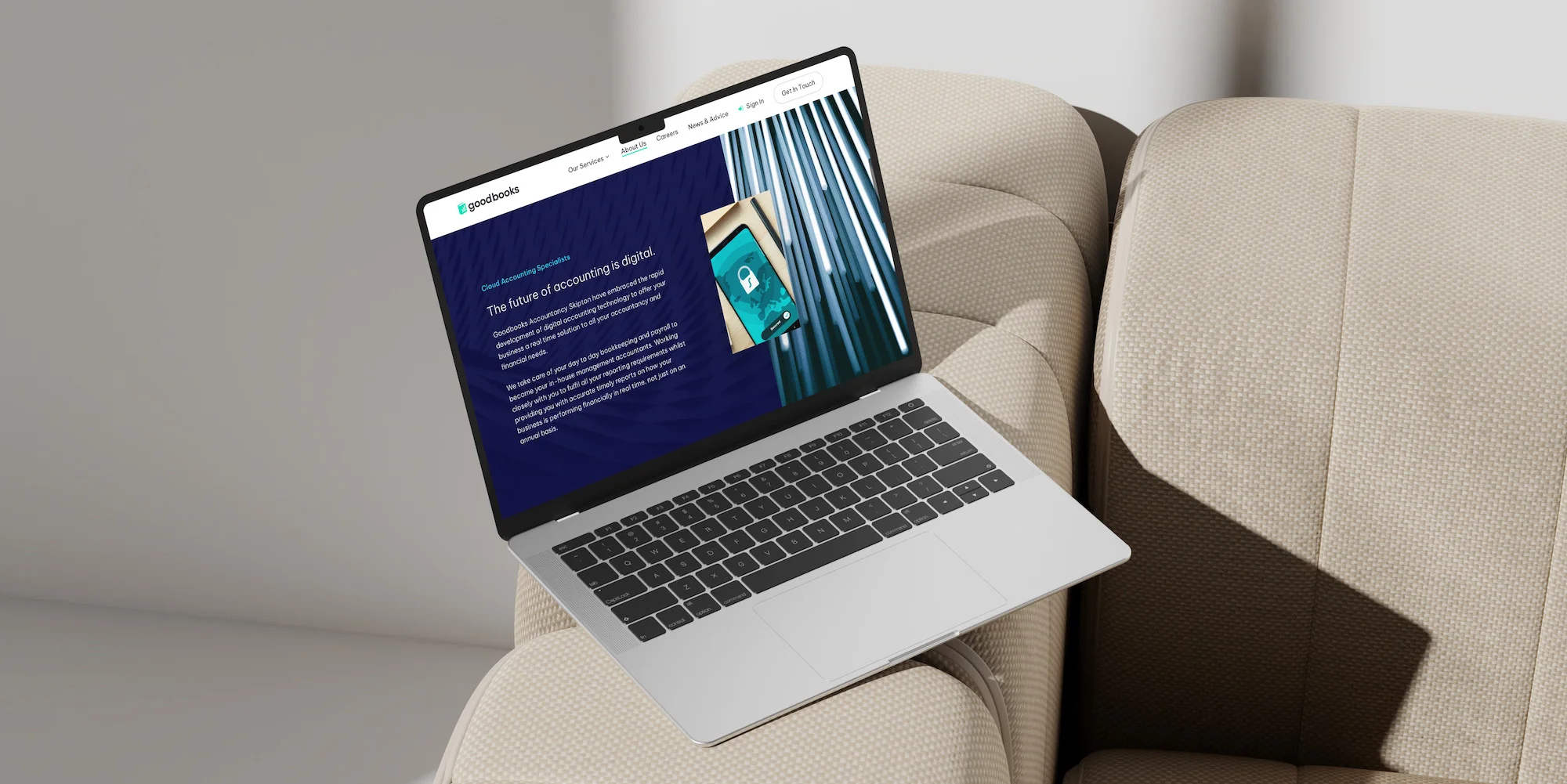
In today’s market, consumers expect businesses to have a professional, updated website. A lack of a website—or a poorly designed one—can make your business appear outdated, less credible, and even untrustworthy.
Studies highlight that 94% of users’ first impressions are design-related, underscoring the importance of professional design and usability when it comes to online credibility and trust.[3] High-quality visuals, easy navigation, consistent branding, and informative content all help create a trustworthy image, reassuring visitors that your business is legitimate and professional. Investing in your website not only helps capture attention but also builds credibility, enhancing your reputation in the eyes of your audience.
5. Effective SEO boosts your online visibility
A great website is a valuable asset, especially when it’s optimised for search engines. SEO helps your website rank higher in search results, making it easier for potential customers to find you. Given that 68% of all online experiences start with a search engine, an SEO-friendly website greatly expands your reach.[4] A well-optimised site will continue attracting organic traffic without needing as much ongoing investment as paid ads.
The ROI on SEO can be remarkable; companies that consistently invest in SEO see a significant increase in website traffic, leads, and conversions over time.
6. Gaining insight into customer behaviour
Your website is more than a digital storefront; it’s a goldmine of insights about your audience. By investing in a well-built website, you can use analytics to track user behaviour, identify which pages are most popular, and understand what’s working (and what isn’t). This data is invaluable for refining your marketing strategies and improving your customer journey.
Google Analytics, for example, allows you to track everything from the demographics of your visitors to how long they stay on each page. With this information, you can make data-driven decisions to enhance user experience, increase engagement, and improve conversion rates.
7. Future-proofing your business
An effective website is not just about today—it’s a long-term investment in your brand’s future. As consumer habits continue to shift towards digital, a robust online presence is essential for staying competitive. For many industries, online research is now an integral part of the buyer journey. By investing in your website now, you position your business to adapt to changes in technology, market trends, and customer expectations, future-proofing your success.
Conclusion: investing in your website is investing in your success
In a digital-first world, your website is one of your most powerful business assets. From acting as a round-the-clock sales tool to shaping first impressions and building trust, a professional, well-optimised website has a direct impact on growth, brand reputation, and revenue. The return on investment can be significant, as a quality website drives traffic, increases conversions, and helps you stay competitive in the long term.
Whether you’re a small business or an established brand, a strong website is one of the best investments you can make. It’s not just about staying relevant today—it’s about positioning yourself for sustained success tomorrow.
[1] “Stanford Web Credibility Research”, [2] “The Six Steps For Justifying Better UX”, [3] “Trust and mistrust of online health sites”, [4] “Brightside Research”