Last updated on 28th March 2026
There’s no shame in doing it yourself when you’re starting out. Tools like Canva, Wix and AI have made it easier than ever to get a brand off the ground without a big budget.
But there comes a point where DIY stops serving you — where the gap between how good your business is and how it looks starts to cost you.
This article is for small business owners who are ready to close that gap. We’ll cover why first impressions matter more than most people realise, where DIY design and AI tools fall short, what you actually own when you use a template, and why investing in a professional is more affordable than you think.
Why first impressions in business are everything
People make judgements fast. In business, first impressions are often made before anyone has spoken to you — by your website, your logo, your social media, your business card.
If any of those feel rough around the edges, that feeling sticks. It doesn’t matter how good your product or service is. If the visual side signals amateur, that’s the frame people put around everything else.
A polished, consistent brand builds confidence before you’ve said a word. It signals that you take your business seriously, which makes clients feel comfortable taking you seriously too. In a crowded market, that’s often what decides whether someone keeps reading or clicks away.
AI design tools are useful, but are they actually hurting your brand?
AI is a useful part of the process — for ideas, for drafts, for speeding things up. The problem comes when it stops being a tool and becomes the whole output.
AI-generated content is increasingly easy to spot. It pulls from the same data every time, so the outputs look similar — same visual style, same tone, same stock-photo energy. Scroll through LinkedIn and you’ll see it everywhere.
People notice when a business can’t be bothered. Using AI wholesale signals that you’re not invested in your own brand. For a small business built on trust, that’s a real problem. Use it as part of your process. Don’t let it become your brand.
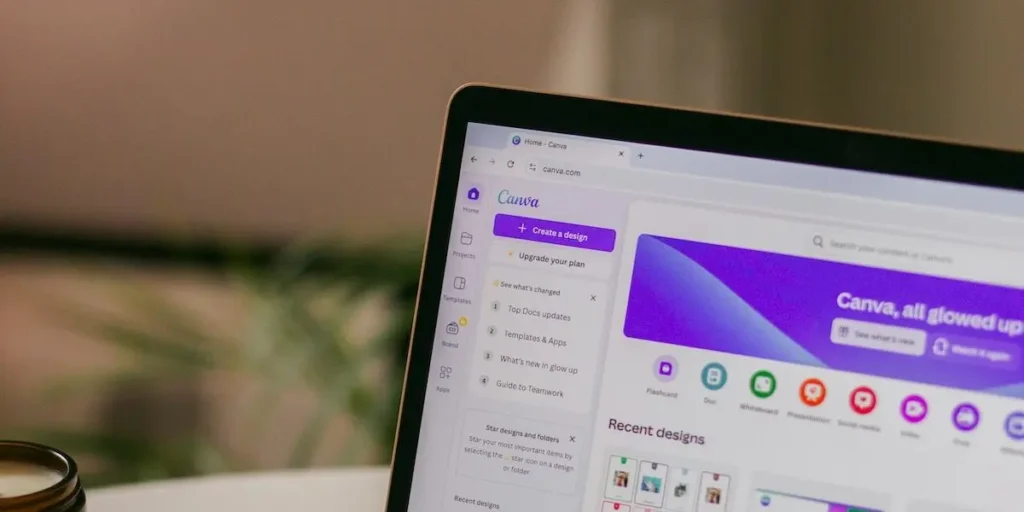
DIY design tools, like Canva, have come a long way — but there’s a ceiling.
DIY graphic design: when Canva stops working for you
Canva is a brilliant tool. But there’s a ceiling, and most small businesses hit it eventually.
Everyone has access to the same templates. Your competitor down the road might be using the same layout, the same fonts, the same colour combinations. Your brand isn’t building recognition — it’s blending in.
Good graphic design isn’t just about making things look nice. It’s about hierarchy, spacing, colour theory and typography. Without those fundamentals, DIY design tends to have a quality that’s hard to define but easy to feel — something slightly off, slightly homemade. It’s fine when you’re starting out. It’s less fine when you’re trying to win clients who have other options — and if you want to dig into why, there’s a strong business case for getting design right.
Do you actually own your logo?
If your logo is built from a Canva template, you can’t trademark it. Because the underlying elements are available to every user, there’s no legal basis for exclusivity. Someone else could use a near-identical design and you’d have limited recourse.
AI-generated logos sit in an even murkier space. In many jurisdictions, AI-generated work isn’t copyrightable because there’s no human author. If your logo was made entirely by AI, your ownership of it is uncertain at best.
A professionally designed logo is yours. You can trademark it, protect it and build on it with confidence.
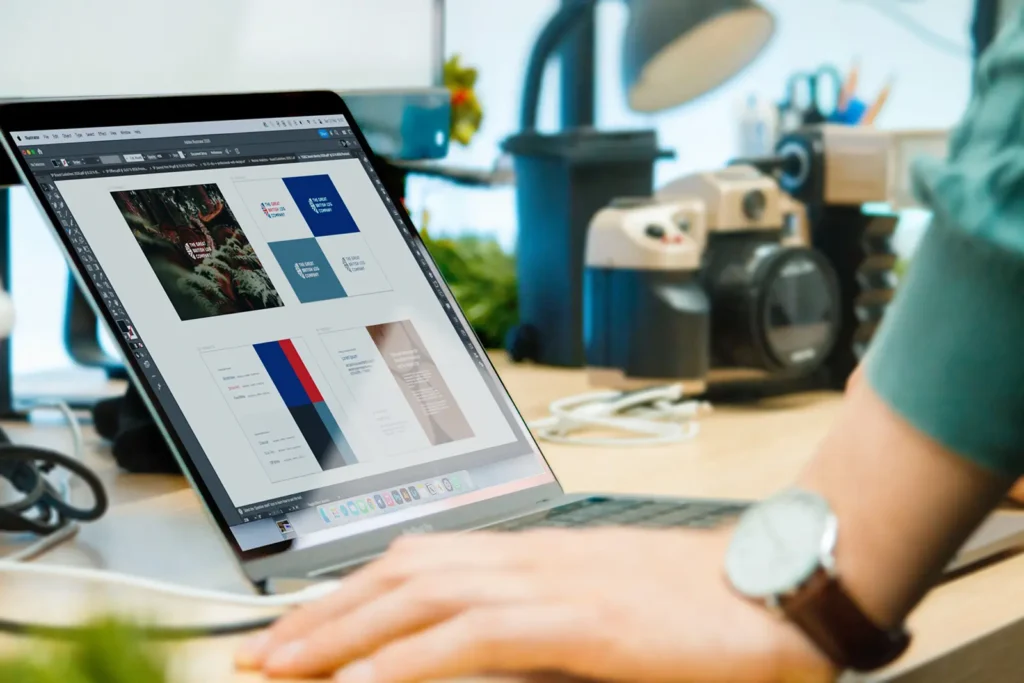
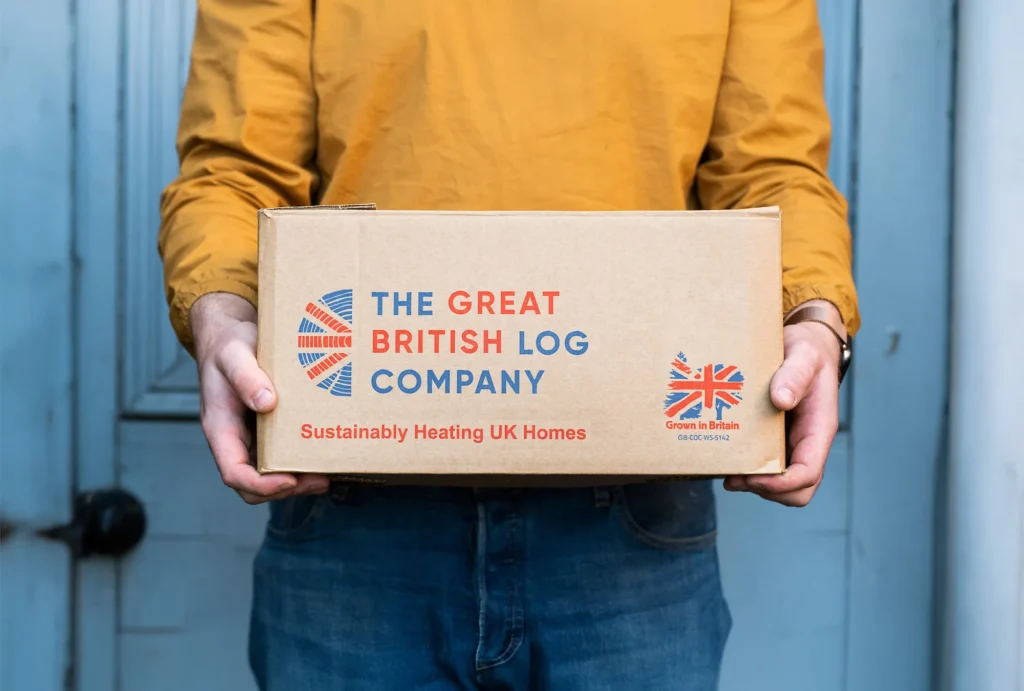
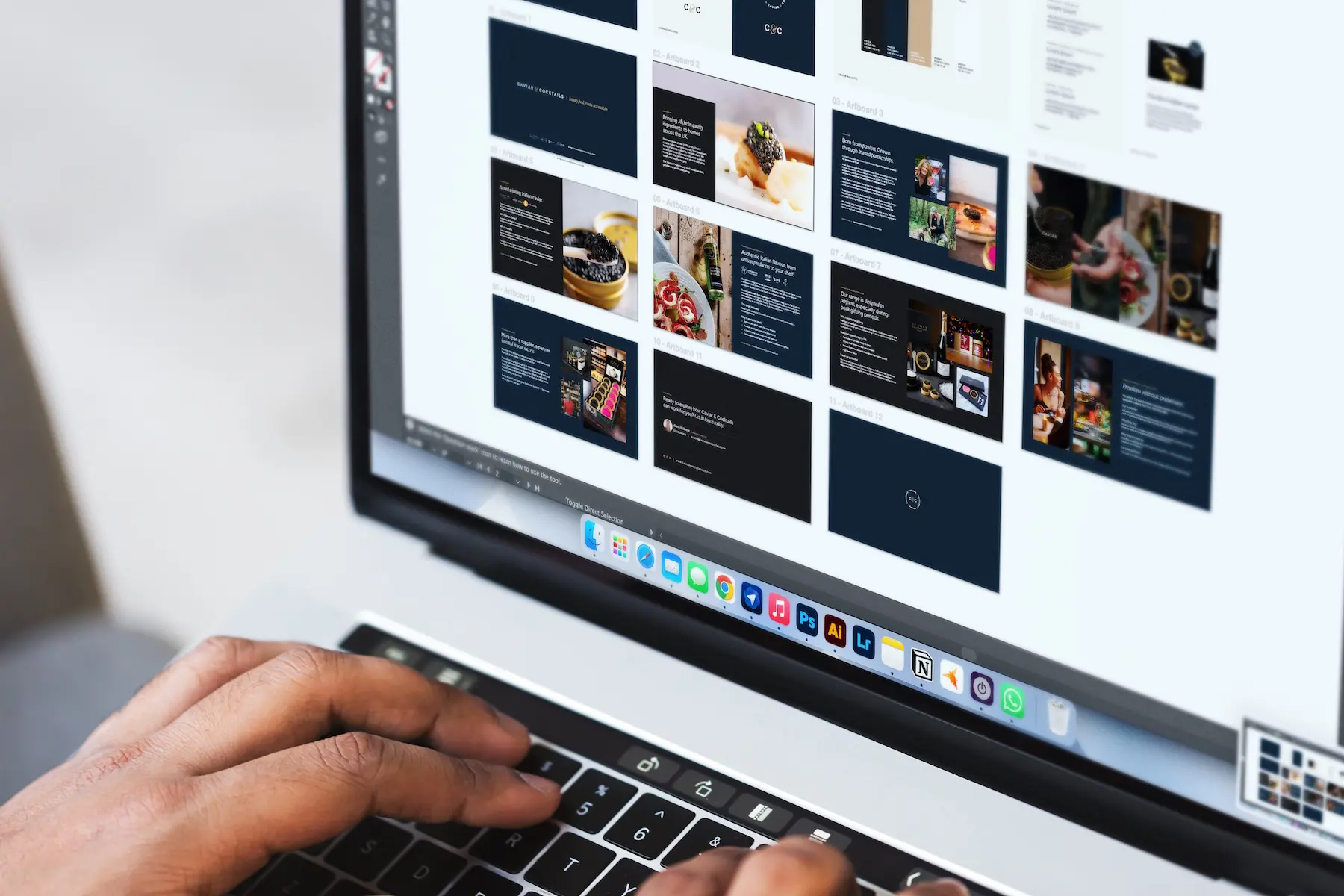
A professional designer builds a brand system, so every future decision is easier.
Brand consistency: the difference between creating assets and an identity
A decent logo, a reasonable website, some okay social graphics. But if they don’t feel like they belong together — fonts don’t match, colours drift, tone shifts — what you have is a collection of assets, not a brand.
Brand consistency is the thread that runs through everything. When it’s there, people recognise you without thinking about it. When it’s missing, something feels slightly off even if they can’t say why.
A professional designer builds a system that makes every future decision easier and every future asset feel like it belongs. It’s the difference between a business that grew organically and one built with intention — and if you’re wondering whether it’s time to make that shift, this is worth a read.
DIY websites — what they cost you beyond the build
DIY website builders have come a long way. But the templates are widely used, the layouts familiar, and the details that make a site feel considered are often missing. Visitors might not say what’s wrong, but they feel it.
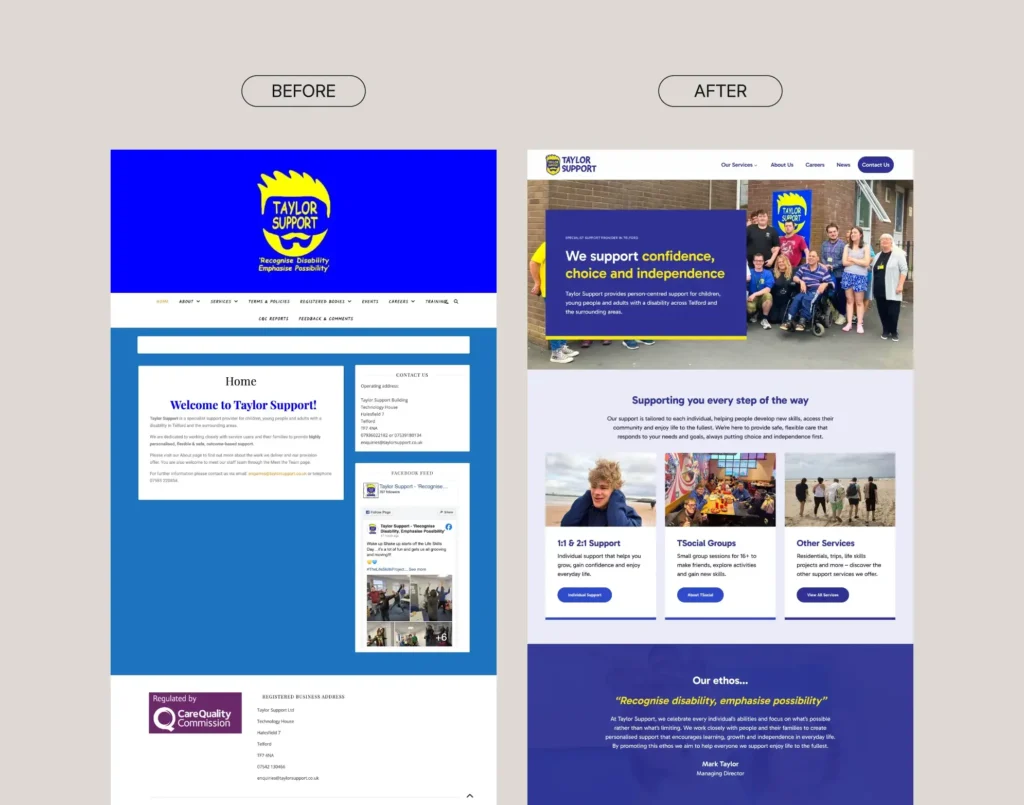
From DIY to professional — a recent website redesign for a care company in Telford.
There are also technical issues that DIY builds frequently miss — SEO setup, page speed, mobile performance, email configuration. These affect how you show up on Google and how people experience your site when they get there.
A website without clear calls to action doesn’t convert. Getting people to your site is one thing. Getting them to pick up the phone is another. A professionally built website isn’t just better looking — it’s built to work. Not sure what that actually costs? We’ve broken it down honestly here.
The real cost of doing it yourself
DIY design feels free. It isn’t. The hours spent wrestling with Wix, tweaking a logo that still doesn’t feel right, generating AI graphics and deleting most of them — those are hours you’re not spending on your business.
There’s also the cost of doing it twice. Most businesses that start with DIY end up redoing it within a year or two. The free option often costs more than getting it right first time.
Working with a freelancer or small studio is more affordable than most people expect. You’re working directly with the person doing the work — faster decisions, less waste, a better result. And the hours you get back are worth more than the invoice.
What a professional designer brings that you won’t find in a template
The most underrated part of working with a professional isn’t the execution — it’s the thinking.
A good designer asks questions you haven’t thought to ask. Who are you trying to reach? What should people feel when they encounter your brand? What are your competitors doing and how do we make sure you don’t look like them?
Templates don’t ask those questions. They give you something that looks plausible, which is different from something that’s right.
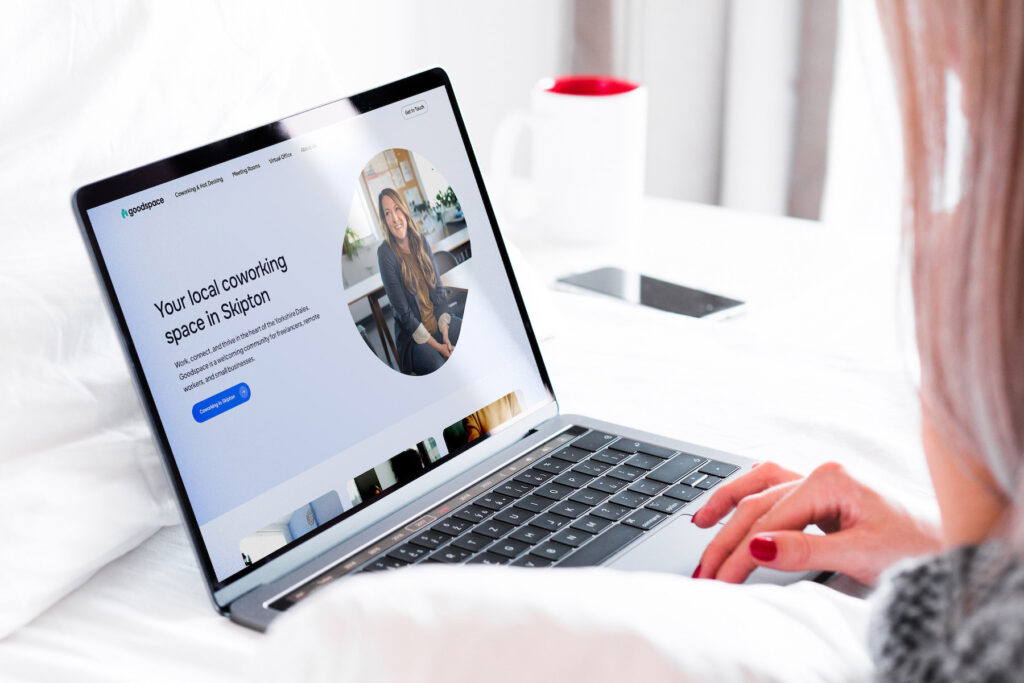
Professional web design built around your business, not a template.
You built a great business. Now let’s make it look like one.
If your brand isn’t keeping pace with what you actually offer, it’s working against you. Fixing it doesn’t mean starting from scratch or spending a fortune — it means investing in something that works for years, not months.
If you’re ready for a brand that reflects what you’ve built, get in touch for a chat.
Studio Payne is a graphic design and web design studio based in Shrewsbury, working with small businesses across Shropshire and beyond.